


Jenz wear parts and knives (EU Supply Guide)
This technical guide summarizes real Jenz compatible knives listed in our Eurotools catalogue, including item numbers, typical configurations, and selection guidance.
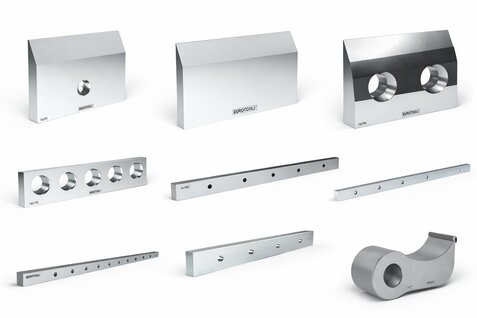
Knife Systems Used in Jenz
Jenz biomass shredders including the HEM 561 use several knife system configurations designed to match different biomass processing requirements. The selected knife system directly influences throughput stability, particle size distribution, fuel quality, and wear part lifetime.
Common knife system configurations include:
- Segmented rotor knife systems – Replaceable individual knife segments mounted on the rotor. This design allows selective replacement of worn segments, reducing maintenance cost and downtime.
- Reversible cutting knives – Double-edged knives that can be rotated after initial wear, extending operational lifetime and reducing spare part consumption.
- Heavy-duty reinforced knife systems – Designed for contaminated waste wood, demolition timber, and root material containing soil or mineral contamination.
- Precision chipper knife configurations – Used when uniform biomass chip geometry is required for energy production or downstream processing.
Knife selection must always consider feed material composition, contamination level, rotor speed configuration, and required output fraction size.
Item number: 11309
 AvailabilityFor production
Availability: 8 weeks
Blowers tube without changeable parts for Jenz ® HEM
Item number: 10845
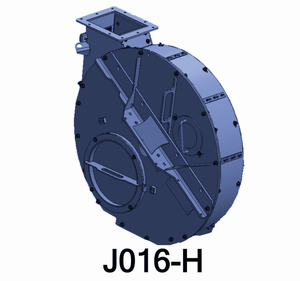 AvailabilityFor production
Availability: 6 weeks
Blowers house with wearplates (H500) and covers
Item number: 9472
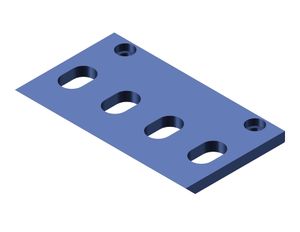 AvailabilityFor production
Availability: 8 weeks
215x125x12 mm Knife holder lower wedge for Jenz
Blowers tube without changeable parts for Jenz ® HEM
Blowers house with wearplates (H500) and covers
215x125x12 mm Knife holder lower wedge for Jenz
Common Jenz Parts Available from Eurotools E-Shop
Eurotools supplies compatible replacement wear parts for Jenz shredders, supporting both routine maintenance and emergency repair requirements. Frequently supplied components include:
- Shredder knives and chipper knives for rotor cutting systems
- Impact hammers for fragmentation of roots and contaminated biomass
- Screening systems and sizing grids
- Knife holders and mounting hardware
- Spacer components and fastening accessories
- Heavy-duty reinforced wear part upgrades
👉 Browse available compatible spare parts:
Jenz Compatible Spare Parts – Product Overview
The catalogue listing provides a continuously updated overview of available wear parts compatible with Jenz shredding systems.
How to Select the Right Jenz Knife Configuration
Selecting the correct knife configuration for the Jenz HEM 561 requires evaluation of both machine parameters and processing conditions. Incorrect knife selection can increase vibration, reduce throughput stability, and accelerate wear of drive components.
Important selection criteria include:
- Feed material type – Waste wood, forestry residues, pallets, roots, or demolition timber
- Contamination level – Presence of soil, stones, metal, or mineral particles requires reinforced knife grades
- Desired output fraction – Knife geometry must match screen configuration and target biomass chip size
- Machine operating settings – Rotor speed, feed rate, and torque load influence knife wear behaviour
- Maintenance strategy – Reversible or segmented knife systems may reduce service intervals
Correct configuration helps optimize:
- Energy consumption per processed ton
- Machine vibration stability
- Rotor balance and bearing lifetime
- Output material consistency
- Total operating cost of shredding operations
Technical verification using OEM reference numbers, wear pattern analysis, or dimensional drawings is recommended before ordering replacement knives.
The Jenz HEM 561 is a high-capacity mobile biomass shredder designed for industrial wood processing, green waste recycling, and biomass fuel preparation. The machine is engineered to process demanding input materials including:
- Waste wood and demolition timber
- Forestry residues and roots
- Pallets and bulky biomass waste
- Contaminated or mixed organic material streams
Due to high throughput rates and aggressive shredding geometry, wear components in the Jenz HEM 561 are exposed to significant mechanical stress, abrasive contamination, and impact loading. Correct selection and maintenance of wear parts directly influence machine reliability, throughput stability, and operating cost per processed ton.
Critical Wear Parts for Jenz
Industrial biomass shredders rely on a coordinated system of replaceable wear components. In the Jenz HEM 561, the most critical parts include:
Shredder knives
Shredder knives perform primary size reduction and determine output particle geometry.
Key technical functions include:
- Controlled cutting and splitting of biomass material
- Stabilizing feed flow and rotor balance
- Maintaining consistent output fraction size
- Reducing mechanical load on drive components
Knife geometry, hardness profile, and mounting precision strongly influence energy consumption and throughput consistency.
Shredder Hammers
Hammers provide impact-based fragmentation of material and are especially critical when processing:
- Roots and stump material
- Contaminated demolition wood
- Hard or frozen biomass
Technical requirements for hammers include:
- High impact resistance
- Controlled wear behaviour
- Stable rotor weight distribution
- Resistance to shock loading from foreign contaminants
Incorrect hammer wear can lead to rotor imbalance, increased vibration, and accelerated bearing wear.
Screens and Sizing Components
Screens define final particle size and material classification.
Their role includes:
-
Controlling biomass chip size distribution
- Supporting uniform downstream processing
- Preventing oversize fraction discharge
- Stabilizing throughput flow
Screen wear directly affects fuel quality consistency and system efficiency.
Manufacturing Materials and Engineering Design
Wear parts for the Jenz HEM 561 are typically manufactured from specialized tool steels and wear-resistant alloys designed for biomass shredding applications.
Knife and Hammer Materials
Common material solutions include:
- High-alloy wear-resistant tool steels
- Through-hardened impact-resistant steel grades
- Chromium and molybdenum alloy steels for abrasive resistance
- Reinforced heavy-duty grades for contaminated waste streams
Controlled heat treatment ensures:
- Balanced hardness and toughness
- Resistance to chipping and cracking
- Dimensional stability during operation
- Predictable wear behaviour
Material selection must be matched to input material composition and contamination level.
Operating Conditions and Wear Mechanisms
Wear behaviour in the Jenz is influenced by several operational variables:
- Feed material abrasiveness
- Presence of metal contamination
- Moisture content and frozen material
- Rotor speed and feed rate settings
Typical wear mechanisms include:
- Abrasive edge rounding
- Impact micro-cracking
- Surface deformation
- Mounting seat wear
Monitoring these conditions allows predictive maintenance planning and prevents unplanned shutdowns.
Maintenance Strategy for Jenz HEM 561 Wear Parts
Preventive maintenance is essential for maintaining shredding performance and protecting high-value machine components.
Recommended maintenance procedures include:
- Regular inspection of knife cutting edges and hammer surfaces
- Monitoring rotor balance and vibration levels
- Scheduled rotation or repositioning of wear parts
- Replacement of worn screens to maintain output quality
- Verification of mounting bolt torque and holder condition
Operating with excessively worn tools increases:
- Fuel consumption
- Bearing and shaft stress
- Mechanical vibration
- Maintenance downtime
OEM Compatibility and Replacement Solutions
Compatible replacement wear parts for the Jenz are manufactured according to OEM specifications and dimensional tolerances.
Supply programs typically include:
- Standard replacement knives
- Impact shredding hammers
- Screening systems and sizing components
- Mounting and fastening accessories
- Upgraded heavy-duty wear part versions
Replacement parts can be supplied based on:
- OEM reference numbers
- Technical drawings
- Physical wear part samples
- Machine configuration data
Availability and EU Logistics Supply
Standard Jenz wear parts are typically available through EU warehouse supply programs designed to minimize machine downtime.
Supply advantages include:
- Stock availability of high-demand wear parts
- Fast dispatch across European industrial markets
- Stable supply for scheduled maintenance cycles
- Volume pricing for fleet operators and service contractors
Predictable logistics planning supports cost control and maintenance scheduling.
Custom Manufacturing and Wear Part Optimization
For operators processing specific biomass streams, custom wear part solutions can improve lifetime and shredding efficiency.
Custom engineering options include:
- Modified knife geometries
- Reinforced hammer impact zones
- Alternative alloy selections for abrasive material
- Adapted screen perforation configurations
Custom production can be performed using technical drawings, reverse engineering, or wear pattern analysis.
How to Request Correct Jenz Spare Parts
To ensure correct spare part identification, please provide:
- Machine model and configuration
- OEM reference numbers (if available)
- Wear part dimensions and mounting design
- Processed material type
- Required quantities
- Photos or technical drawings (recommended)
Accurate technical data helps prevent installation errors and ensures optimal shredding performance.
👉 REQUEST A QUOTATION – Jenz Spare Parts
Need pricing, availability, or technical consultation?
Contact our wear parts specialists to receive a tailored quotation for Jenz biomass shredding applications.

