


Feed rate of material
Feed rate is the speed at which material is fed into a cutting or processing machine. It plays a crucial role in determining the quality of the cutting process.
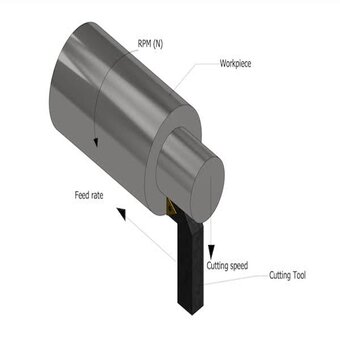
A higher feed rate can improve productivity but may compromise the quality of the cut. Conversely, a lower feed rate enhances precision but reduces overall throughput. Feed rates are typically measured in units such as millimeters per second or inches per minute. The optimal feed rate depends on factors like material type, blade sharpness, and machine capability. In industrial settings, computerized systems often control feed rates for consistency. Adjusting the feed rate can also reduce wear on cutting tools and improve their lifespan.
Eurotools provides guidance on optimizing feed rates to suit specific cutting applications. Excessive feed rates can lead to overheating, blade damage, and poor-quality cuts. Conversely, too slow a feed rate may cause unnecessary friction and energy waste. Innovations like adaptive feed rate control adjust speed in real-time based on material resistance. Proper lubrication and maintenance of machinery also enhance feed rate performance. In high-speed cutting applications, thermal expansion must be considered when setting the feed rate.
Eurotools designs blades capable of withstanding the stresses of variable feed rates. Operator training ensures proper understanding of feed rate settings to maximize efficiency. Monitoring feed rate trends helps identify potential machine issues early. By optimizing feed rates, companies can improve productivity, reduce waste, and lower costs. Feed rate adjustments are a critical aspect of modern cutting processes, ensuring precision and operational efficiency.

