


Hardox - advantages and disadvantages
Hardox is a type of wear-resistant steel that is designed to withstand harsh environments and high levels of wear and tear. It is used in a variety of industries, including mining, construction, and agriculture, and is known for its toughness, durability, and resistance to abrasion.
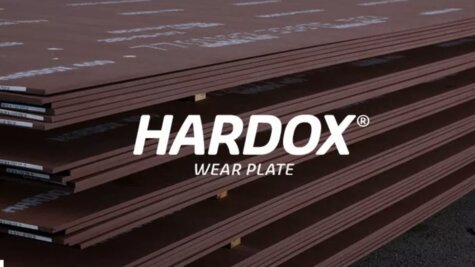
Advantages of Hardox Material:
-
Wear Resistance: Hardox is known for its excellent wear resistance, making it ideal for use in applications where materials are exposed to high levels of wear and tear.
-
Toughness: Hardox is tough and able to withstand impact and shock, which is crucial in applications where materials are subjected to high forces.
-
Strength: Hardox is strong and able to withstand heavy loads, making it ideal for use in applications where materials need to support heavy machinery or equipment.
-
Weldability: Hardox is easily weldable, which makes it a popular choice for use in applications that require joining different parts of the material together.
Disadvantages of Hardox Material:
-
Machinability: Hardox is a hard and tough material that can be difficult to machine. The material can quickly wear down cutting tools, which can result in increased machining times and costs.
-
Surface Hardening: The surface of Hardox material can become hardened during machining, which can make it difficult to create threads or other features that require precise machining.
-
Cost: Hardox is a high-end material that can be more expensive than other types of steel, which can make it less appealing for use in applications where cost is a major consideration.
When it comes to machining Hardox, there are a few key considerations to keep in mind. First, it's important to use high-quality cutting tools that are designed specifically for use with Hardox. These tools are typically made from high-speed steel or carbide and are designed to withstand the hardness and toughness of the material.
Second, it's important to use the correct cutting speeds and feeds when machining Hardox. Cutting too quickly can result in increased wear on the cutting tool, while cutting too slowly can result in increased machining times and costs.
Finally, when creating threads or other features that require precise machining, it's important to take into account the surface hardening that can occur during machining. This may require special tooling or machining techniques to ensure that the final product meets the required specifications.
In conclusion, Hardox is a high-quality and durable material that offers numerous advantages, including wear resistance, toughness, and strength. However, it can be difficult to machine, especially when creating threads or other features that require precise machining. By using high-quality cutting tools and the correct cutting speeds and feeds, manufacturers can achieve excellent results when machining Hardox.

