


The use of 1.6587 steel with UNTHA RS shredder knives
Here’s a refined technical overview explaining the use of 1.6587 steel with a 2 mm carburized case depthin UNTHA RS shredder knives, covering why this treatment is chosen.
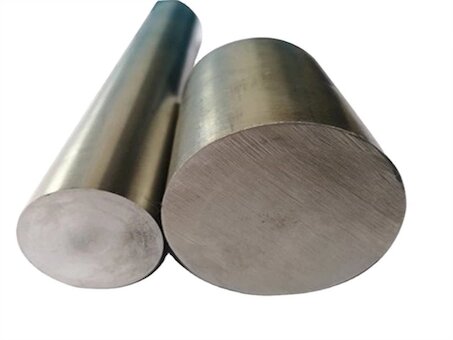
What is 1.6587 steel?
This is a case-hardening alloy steel standardized under EN 10084 (previously known as 17CrNiMo6, now more precisely 18CrNiMo7‑6) . It features a balanced chemical composition—C ≈ 0.14–0.19 %, Cr 1.5–1.8 %, Ni 1.4–1.7 %, Mo 0.2–0.35 %—that supports excellent hardenability and core toughness.
🌡️ Why Carburized to a Depth of ~2 mm?
- Optimized surface wear resistance: Carburizing diffuses carbon into the surface layer, creating a hardened case that reaches around 58–62 HRC, dramatically boosting abrasion and contact resistance—ideal for cutting heavy materials in shredders .
- Balanced core toughness and impact resistance: The inner core stays relatively soft and ductile (~30–35 HRC or ~200 HBW)—giving capacity to absorb shocks and avoid brittleness .
- Controlled distortion and dimensional stability: A 2 mm case depth provides enough surface hardness for wear protection while minimizing thermal stresses and part distortion during quenching—essential for precision knife geometry.
In practice, UNTHA RS shredder knives made from 1.6587 result in a hard, heavily wear‑resistant edge while maintaining a tough inner structure for working under heavy loads.
✅ Advantages of 1.6587 Steel (Carburized 2 mm)
- Superior wear and fatigue resistance
The hardened surface (≈60 HRC) resists abrasion and repeated wear cycles, extending knife life under intense shredding operations . - Excellent impact resistance due to tough core
The softer core absorbs load shocks, reducing the risk of catastrophic cracking—crucial for rotary knives subject to sudden contact. - High uniform hardenability even for larger parts
Alloying elements like Cr, Ni, and Mo ensure consistent case depth across the knife, even if it’s relatively thick or wide . - Good fatigue strength
The combination of hard case and resilient core boosts resistance to surface-initiated fatigue, common in repetitive high-speed cutting. - Reliable dimensional control
Moderate case depth keeps distortion low, ensuring precise blade geometry and reducing the need for post-heat-treatment machining.
⚠️ Limitations & Considerations
- Higher processing cost
Carburizing requires controlled furnace conditions, quenching, and tempering stages—resulting in more expensive manufacturing than plain tool steels. - Edge brittleness in extreme conditions
The hardened surface offers excellent wear resistance but can crack under excessive impact or improper heat-treatment control. - Limited thickness of hardened layer
A 2 mm case holds sufficient durability for normal knife wear, but once it’s worn through, wear-resistance drops off sharply toward the softer core.
🔧 Why UNTHA RS Knives Use 1.6587 Carburized to 2 mm
UNTHA RS shredder knives are exposed to heavy-duty industrial shredding involving variable loads, mixed materials (plastics, wood, metals), and high abrasion contact. The 2 mm carburized 1.6587 steel offers the precise balance:
- A hard, wear-resistant edge that stays sharp longer under abrasive contact.
- A tough, energy-absorbing core that mitigates impact damage.
- Uniform performance across the blade regardless of section thickness.
- Controlled manufacturing tolerances and repeatability, essential for consumable knife parts where fit and precision matter.
📌 Summary Table
|
Property |
Description |
|---|---|
|
Base alloy |
1.6587 (18CrNiMo7‑6 / 17CrNiMo6) |
|
Carburized layer depth |
Approximately 2 mm |
|
Surface hardness (case) |
≈ 58–62 HRC |
|
Core hardness |
≈ 30–35 HRC (approx. 200 HBW) |
|
Surface wear resistance |
Excellent (high abrasion tolerance) |
|
Impact/fatigue resistance |
High (thanks to tough core) |
|
Dimensional stability |
Excellent (low distortion) |
|
Typical uses |
UNTHA RS shredder knives |
By choosing 1.6587 carburized to ~2 mm, UNTHA and Eurotools deliver knives for RS shredders that are wear‑resistant, impact‑resilient, and dimensionally reliable. These blades withstand the rigors of industrial shredding where durability and precision matter most.
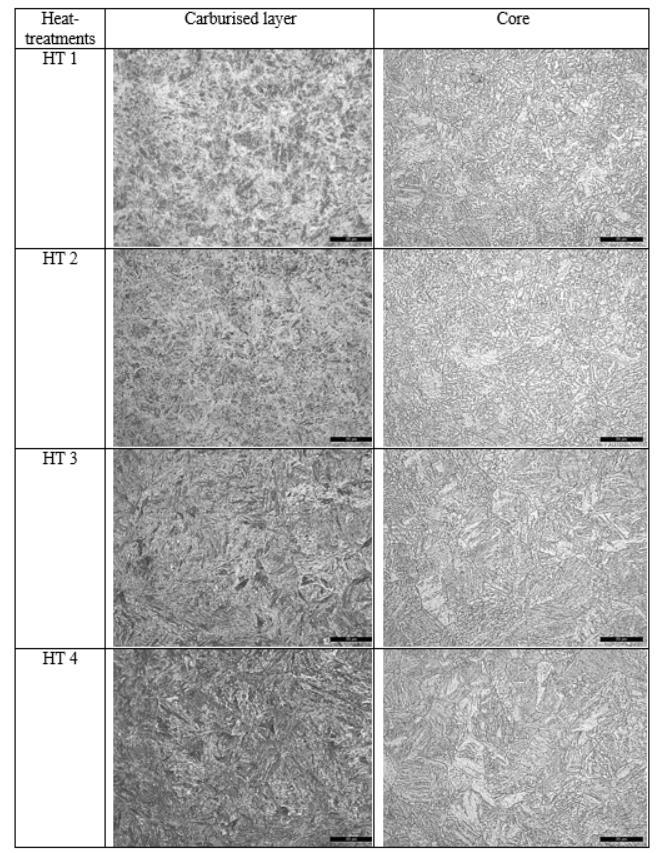
- The first image shows a clear microstructure cross-section, comparing the hardened carburized case (left) with the tougher core (right)—etched with Nital for contrast.
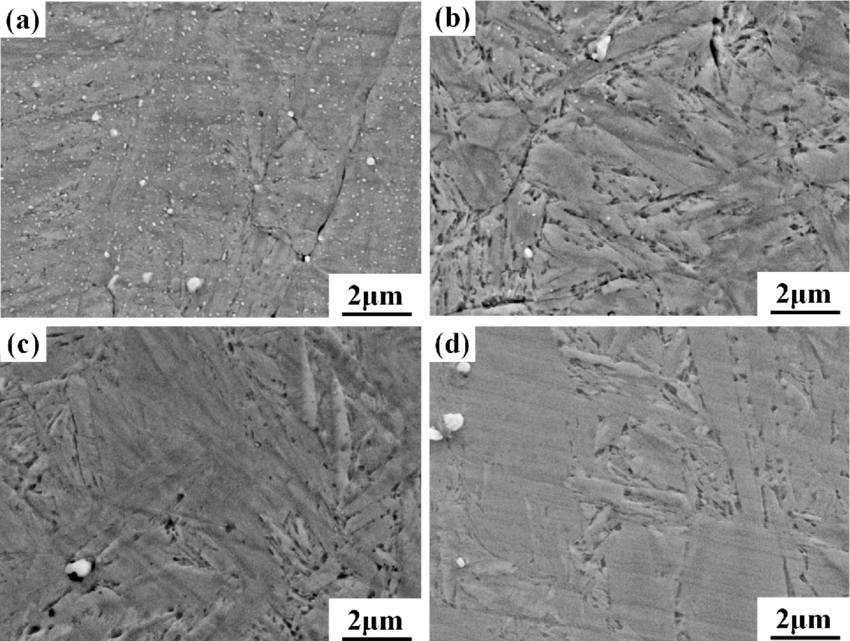
- The second image displays a high-magnification view of the carburized layer’s microstructure, revealing fine carbide distribution in the surface layer.
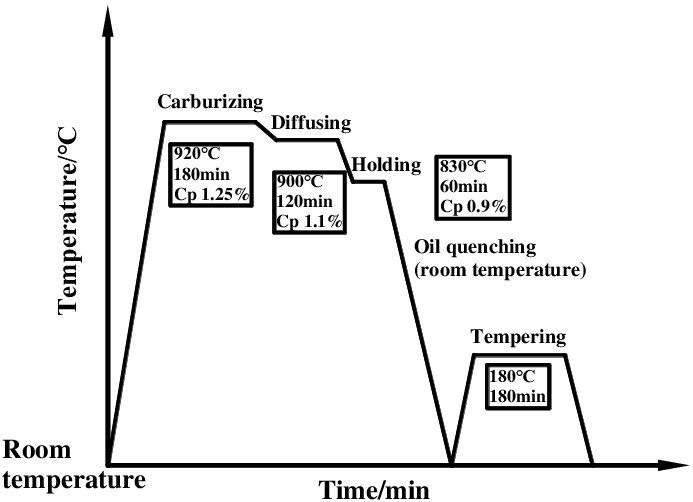
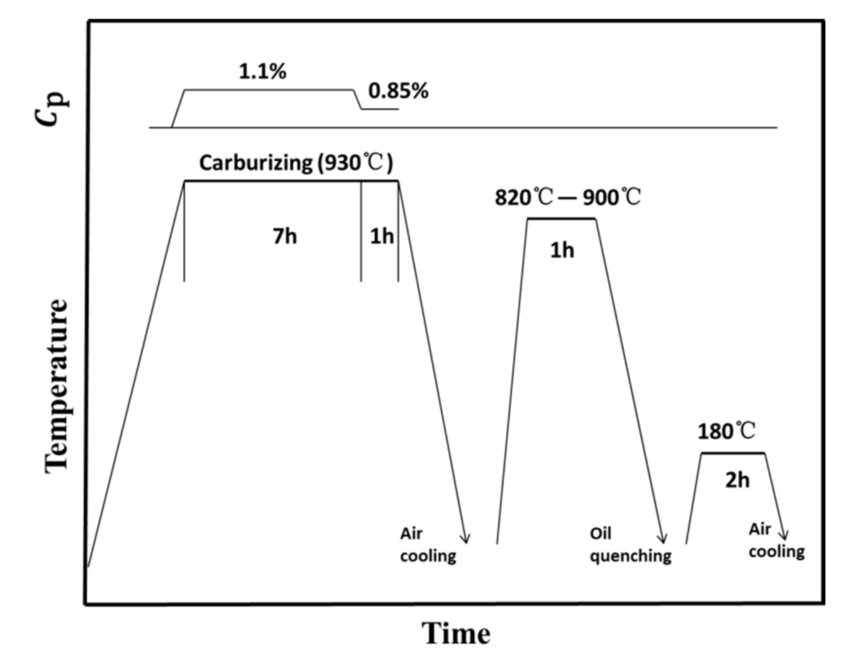
- The third image is a schematic of the carburizing process, illustrating stages like carbon potential control and diffusion plateaus.
- The fourth image outlines a complete heat-treatment flow, including carburizing, quench, and tempering steps.
📞 · 📩 Please do not hesitate and contact Eurotools with more questions about another technical requests.

