


Refurbishment of cutting unit for RS150 machine
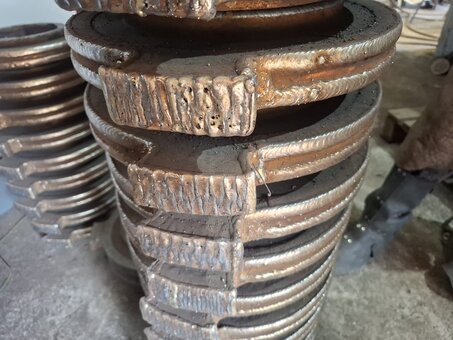
We recently completed a refurbishment of an RS150 cutting unit for a customer in Germany. Professional refurbishment is often a practical and cost-effective alternative to replacing the entire part.
Why the cutting unit is so important in an RS150 shredder
The cutting unit is one of the key components responsible for the shredding process itself. It must withstand constant mechanical stress, repeated impact, and abrasive wear caused by difficult materials. Over time, this leads to:
- worn contact and cutting surfaces,
- reduced cutting efficiency,
- higher energy consumption,
- lower output quality,
- and increased risk of unplanned downtime.
When wear reaches a certain level, the operator has to decide whether to invest in a completely new part or to refurbish the existing component. In many cases, refurbishment is the smarter route—especially when the base part is still structurally sound.
Refurbishment instead of replacement
A cutting unit does not always need to be replaced from scratch. If the core structure of the component remains in good condition, refurbishment can restore the most critical working areas and return the part to service with significantly lower cost compared to a new replacement unit.
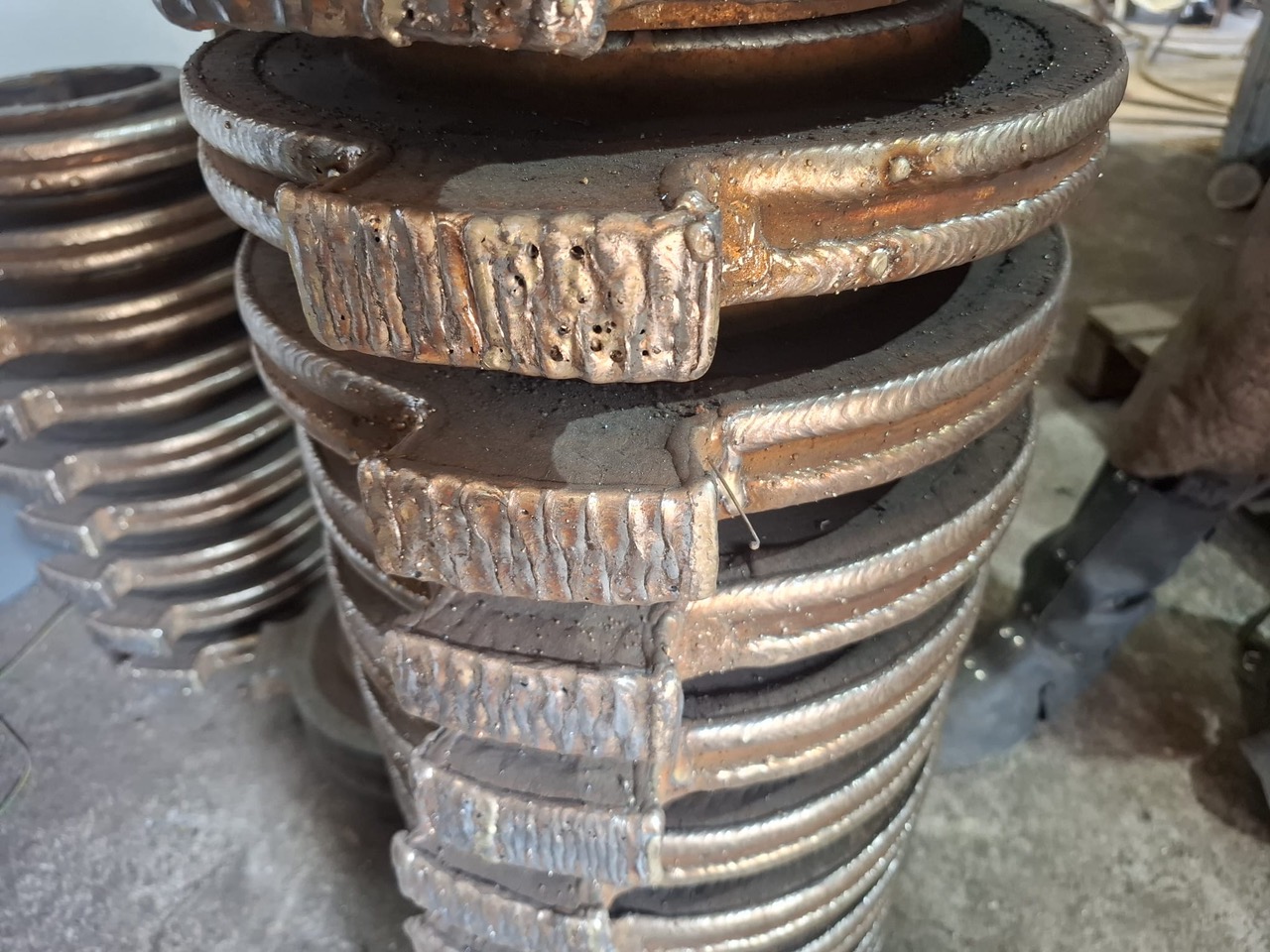
For this RS150 cutting unit, the refurbishment process focused on renewing worn sections and rebuilding high-stress areas exposed to long-term use. The purpose was not cosmetic improvement, but the restoration of real working function and durability.
What refurbishment of an RS150 cutting unit involves
Every refurbishment project starts with evaluating the actual condition of the part. In the case of a cutting unit, this usually includes inspection of:
- worn working edges,
- material loss in high-contact zones,
- damage to supporting areas,
- overall structural condition of the component,
- and suitability for another service cycle.
Once the condition is assessed, the refurbishment can include rebuilding worn surfaces, restoring critical areas by welding and hardfacing, and preparing the part for further operation. The objective is always the same: extend service life and return the part to dependable performance in demanding shredding conditions.
Main benefits of cutting unit refurbishment
1. Lower operating costs
Refurbishment can be significantly more economical than manufacturing or purchasing a completely new cutting unit, especially for heavily built wear parts. Renovation is a third of the original price of the product
2. Extended service life
Instead of scrapping the component after one wear cycle, refurbishment gives the part another useful operating period and helps maximize the value of the original component.
3. Reduced downtime
A well-planned refurbishment project can help operators shorten downtime and prepare spare units in advance for faster replacement during maintenance shutdowns.
4. Sustainable use of industrial components
Refurbishment is also a practical way to reduce waste and make better use of existing machine parts. When the core of the component is still suitable for service, rebuilding worn sections is a logical step. This procedure can be done 6-8 times.
Refurbishment project for a customer in Germany
This RS150 cutting unit was refurbished for a customer in Germany who needed a reliable solution for a worn component used in demanding shredding operation. The cutting unit showed clear wear in its working zones, making refurbishment the right option to restore function and prepare the part for another operating cycle.
The finished component demonstrates what refurbishment is really about: rebuilding value into an existing part, extending usability, and helping the customer avoid unnecessary replacement costs while keeping performance at the required level.

