


When to Change Your Knives
Knowing when to replace your knives helps ensure your machine runs at peak performance and avoids unexpected downtime. Below are practical methods that any operator can use to assess knife wear and make informed replacement decisions.
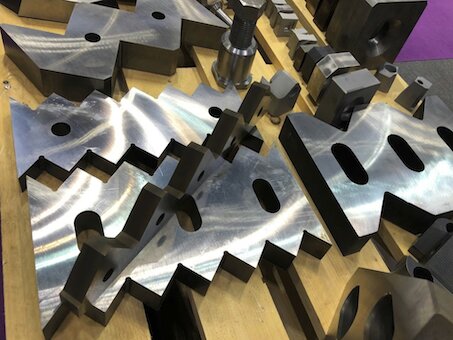
1. Visual Inspection: Assess Damage and Missing Features
One of the simplest ways to see if your knives need replacing is a visual check. If you open the shredding chamber and observe deep chip marks, gouges, cracks, or missing hooks / teeth, it’s a red flag. The hooks or cutting edges are critical—they pull in material and initiate the cutting action. If many hooks are missing or severely worn, your throughput is directly affected.
You can estimate performance loss: for example, if a chamber had 40 hooks and 10 are damaged or missing, you may lose roughly 25% in throughput. That means you’re only operating at 75% of possible performance (assuming all else is optimal).
2. Edge Rounding: The “Scissor” Analogy
Think of the blades in a chamber as a set of scissors. Over time, the sharp edges become rounded from abrasion and impact. When scissors dull, they cut less effectively; similarly, rounded knife edges reduce material intake and require more force to process the same volume.
As the cutting edges lose sharpness, they slow throughput, increase stress on the drive and bearings, and raise fuel or power costs. If edges look blunt or rounded, or if you see shiny wear flats instead of crisp edges, it’s time to plan a knife change.
3. Throughput Drop: Performance Over Time
Track your machine’s throughput regularly. If you notice that processing the same material takes longer and longer, or that output volume decreases under identical feed conditions, the knives have likely degraded.
Dull knives force the machine to work harder—straining the motor, increasing fuel consumption, and stressing related components like shafts, bearings, and belts. Always remember: sharp knives not only save time but also reduce operational costs, including fuel, energy, and maintenance.
4. Combine Methods for a Smart Maintenance Plan
A smart maintenance strategy combines all three checks:
- Regular visual inspections (e.g., weekly or monthly)
- Edge condition assessments
- Throughput trend monitoring
By using these together, you’ll more reliably detect when knife replacement is needed — before performance drops severely or machine components are damaged.
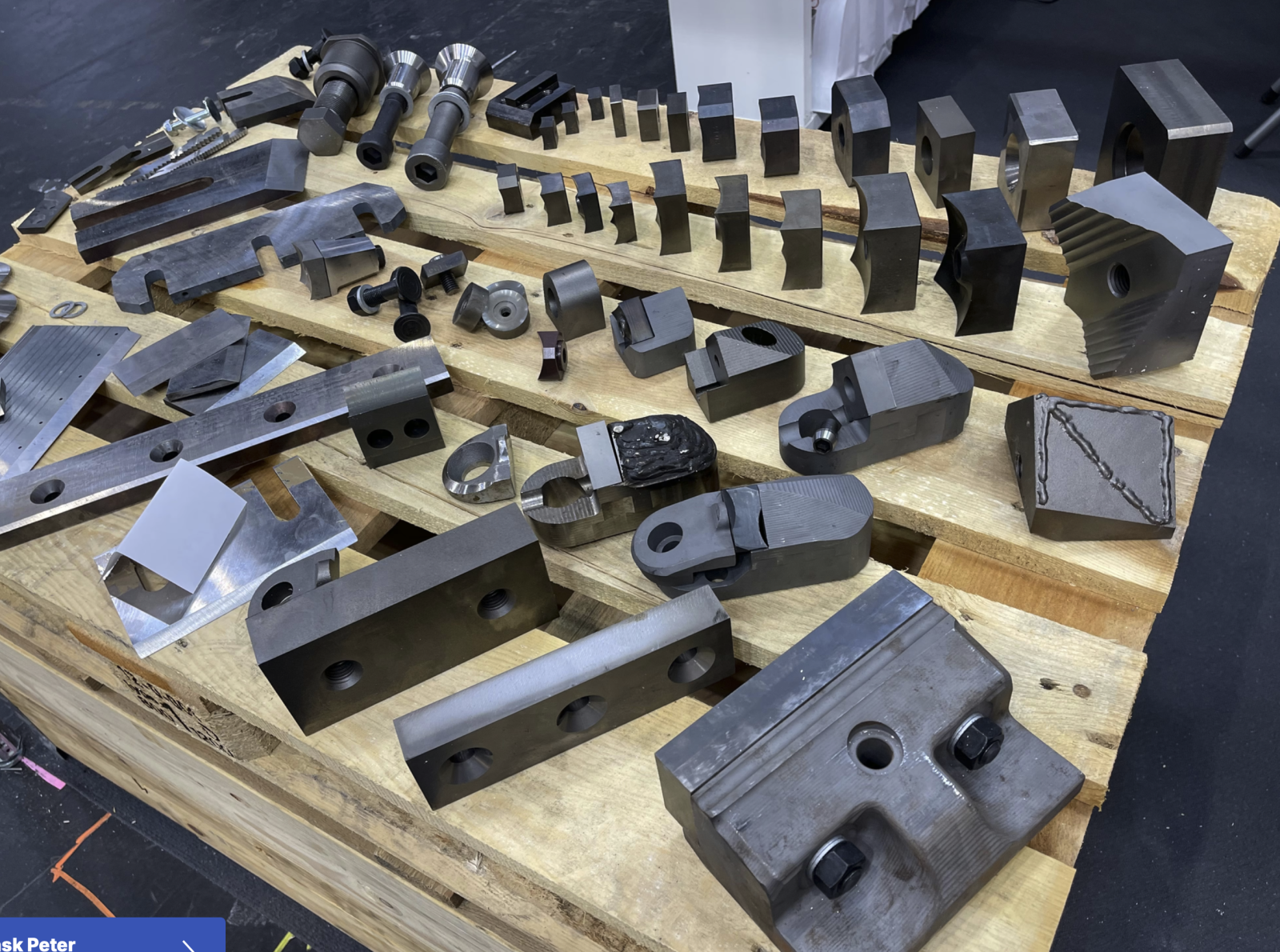
✅ Avoid Downtime with Our FREE Stock Service
To eliminate delays and ensure you’re never waiting for spare parts, take advantage of our FREE Stock Service. We keep thousands of industrial knives, counter-knives, hammers, holders, and screens ready for immediate dispatch. Let us stock your critical parts—so when it’s time to change your knives, you’re always ready.

