


Why did the customer’s counterknife break?
Recently, one of our customers experienced breakage of a counter knife—and a detailed inspection revealed the cause: a hard foreign object fell into the machine.
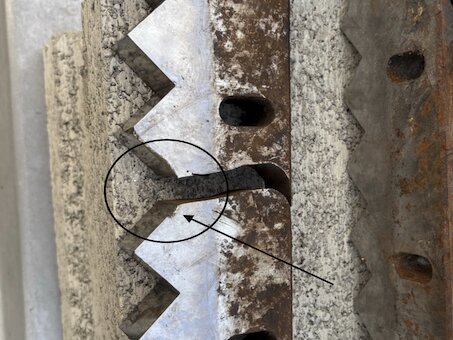
What Happened
- The machine was operating normally when a hard piece of metal, stone, or similarly resilient material was accidentally introduced with the feed.
- The foreign object contacted the counter knife directly, generating a localized impact load far beyond what the knife is designed to endure.
- The stress from this impact caused a crack to initiate, which then propagated under the cyclic forces (cutting pressure, vibration) until the knife failed.
Drawing on what we’ve learned and what is also discussed in our earlier article Why my chipper knives crack or break? there are several reasons even premium knives can fail under such circumstances:
- Foreign Objects / Impurities in Material
Hard items like nails, bolts, bits of metal, or stones are common culprits. When they enter the cutting chamber, they can cause impact damage. This is often sudden and severe. - Localized Overstress
Even if the knife is well-hardened and correctly mounted, an impact can exceed the blade’s capacity to absorb shock. A sharp edge or thin cross-section can exacerbate this. - Vibrations and Fatigue
After the initial damage, the cyclic loading (from regular cutting, machine vibration, mounting tolerances) causes the crack to grow until the structure fails. - Material & Hardness Limits
There are practical limits to how hard or tough a material can be. If the hardness is very high, it may be more brittle and more susceptible to cracking under sharp impact. If it's softer, wear is greater. It's a balance.
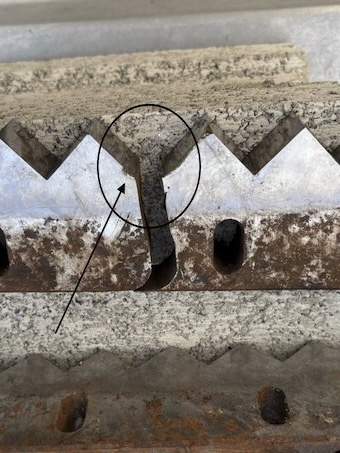
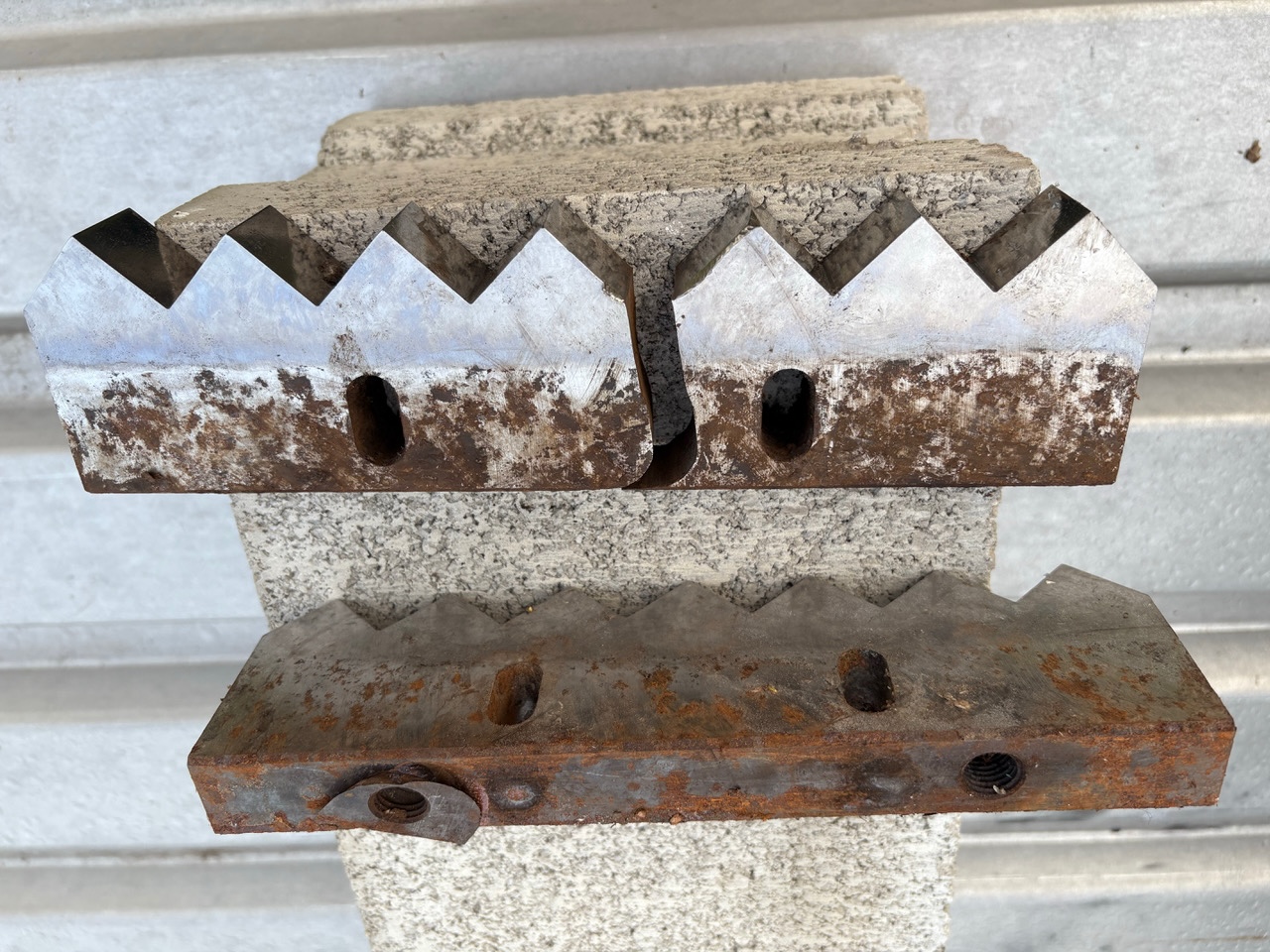
At Eurotools, when such failure is reported, we follow a process:
- Inspection: Visual and microscopic examination of the broken surface to identify the point of initial fracture.
- Hardness and Material Testing: Ensuring the material hardness and heat treatment were appropriate and consistent across the part.
- Operational History Review: Checking feed materials, operating speed, maintenance records, whether any unusual objects were in the input, etc.
From these, we can advise:
- Use of metal detectors or screens / magnets in the feed line to remove foreign hard materials before they reach the knives.
- Regular maintenance and inspection, looking for micro-cracks or chips.
- Operating at correct speeds and load limits—overloading can worsen the effect of impacts.
- Choosing the right material / hardness for the expected feed material and risk of foreign objects.
What We Recommend to Customers
- Always inspect incoming material, especially if from unknown or mixed sources.
- If possible, install sensors or detectors for metal / hard inclusions.
- Maintain sharp edges and correct mounting; a blunt or misaligned knife amplifies damage from impacts.
- Keep records of usage, maintenance, and incidents so that patterns of failure can be analysed.

