


Guide to LaBounty ® shear blade maintenance
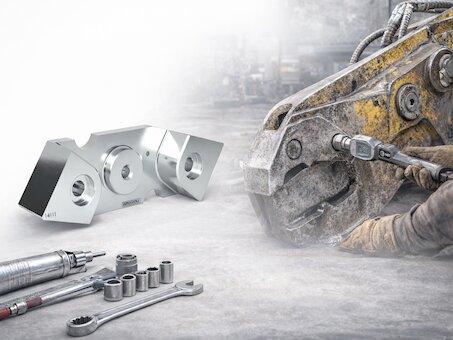
In heavy-duty demolition and recycling work, mobile shears are among the most critical tools on the jobsite. Whether you use them for cutting scrap, structural steel, or demolition debris, their productivity and safety depend heavily on regular maintenance. A well-maintained shear performs better and also it lasts longer and reduces costly downtime.
Why Maintenance Matters
Mobile shears are subjected to tremendous forces and abrasive conditions during everyday use. Proper maintenance helps you:
✔ Maximize cutting performance overall
✔ Reduce unplanned downtime
✔ Extend structural life of the attachment
✔ Maintain operator and crew safety
✔ Lower long-term operating costs
Daily and Hourly Checks — Simple Habits, Big Impact
1. Walk-Around Inspection
Before and after each use:
-
Check for oil leaks and hydraulic hose wear
-
Inspect for missing or loose bolts, pins, guides, and wear parts
-
Look for structural cracks or unusual wear
Spotting issues early prevents small problems from becoming major failures.
2. Grease and Lubricate Regularly
Pivot points, cylinders, and bearings should be greased frequently (ideally every 8 service hours or more often in harsh conditions).
Greasing reduces:
-
premature bearing wear
-
friction and heat
-
stress on critical components
This simple step significantly extends shear life.
3. Torque Blade Bolts
Blade bolts loosen under extreme forces and heat cycling. Check blade bolt torque every 8 hours—or more often in tough environments.
✔ Use a torque wrench—not an impact gun
✔ Under-torquing leads to loosened hardware
✔ Over-torquing can stretch bolts or cause failure
Repeat this check at each service interval to keep blades secure and operating efficiently.
4. Rotate and Shim Blades
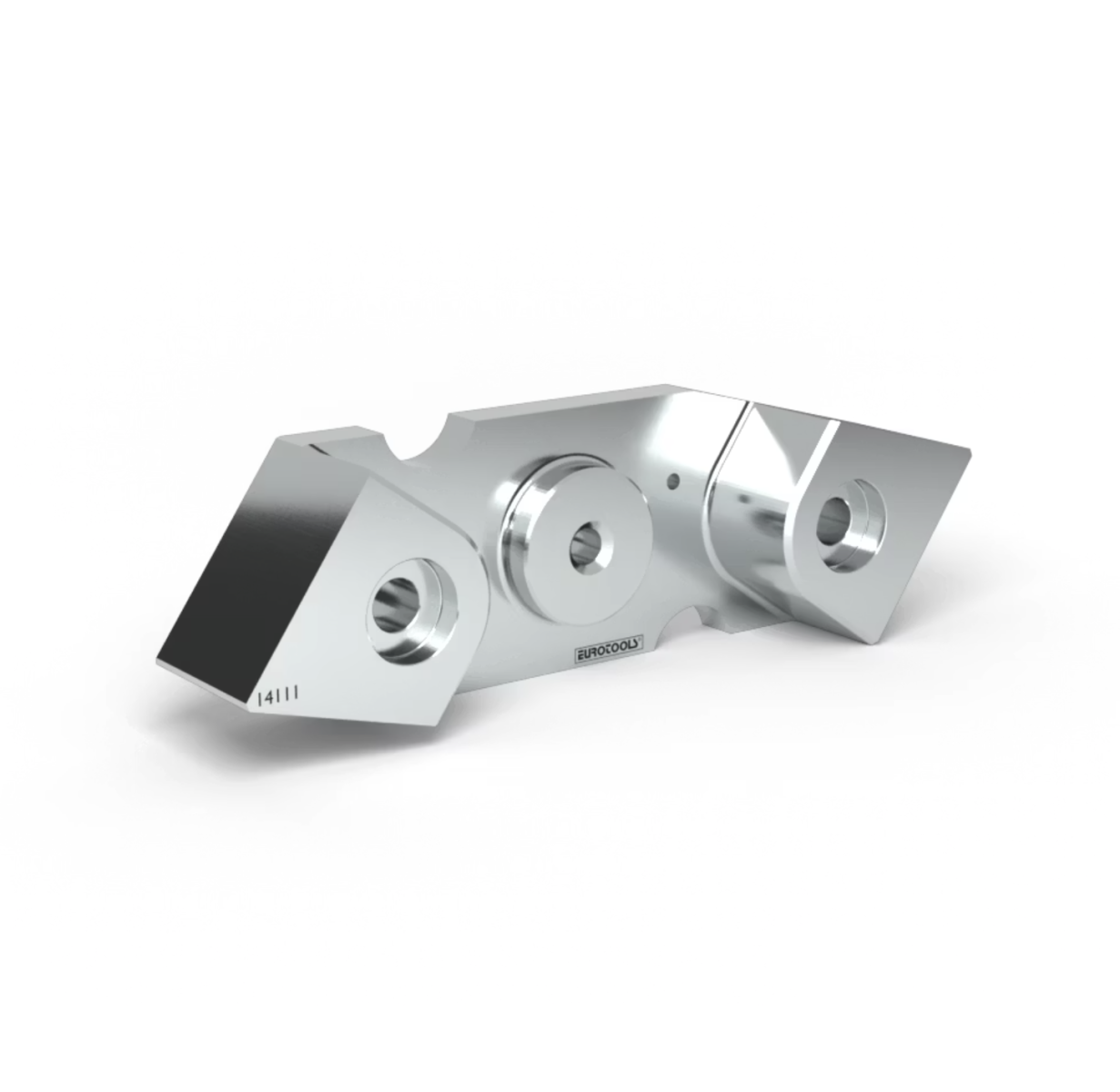
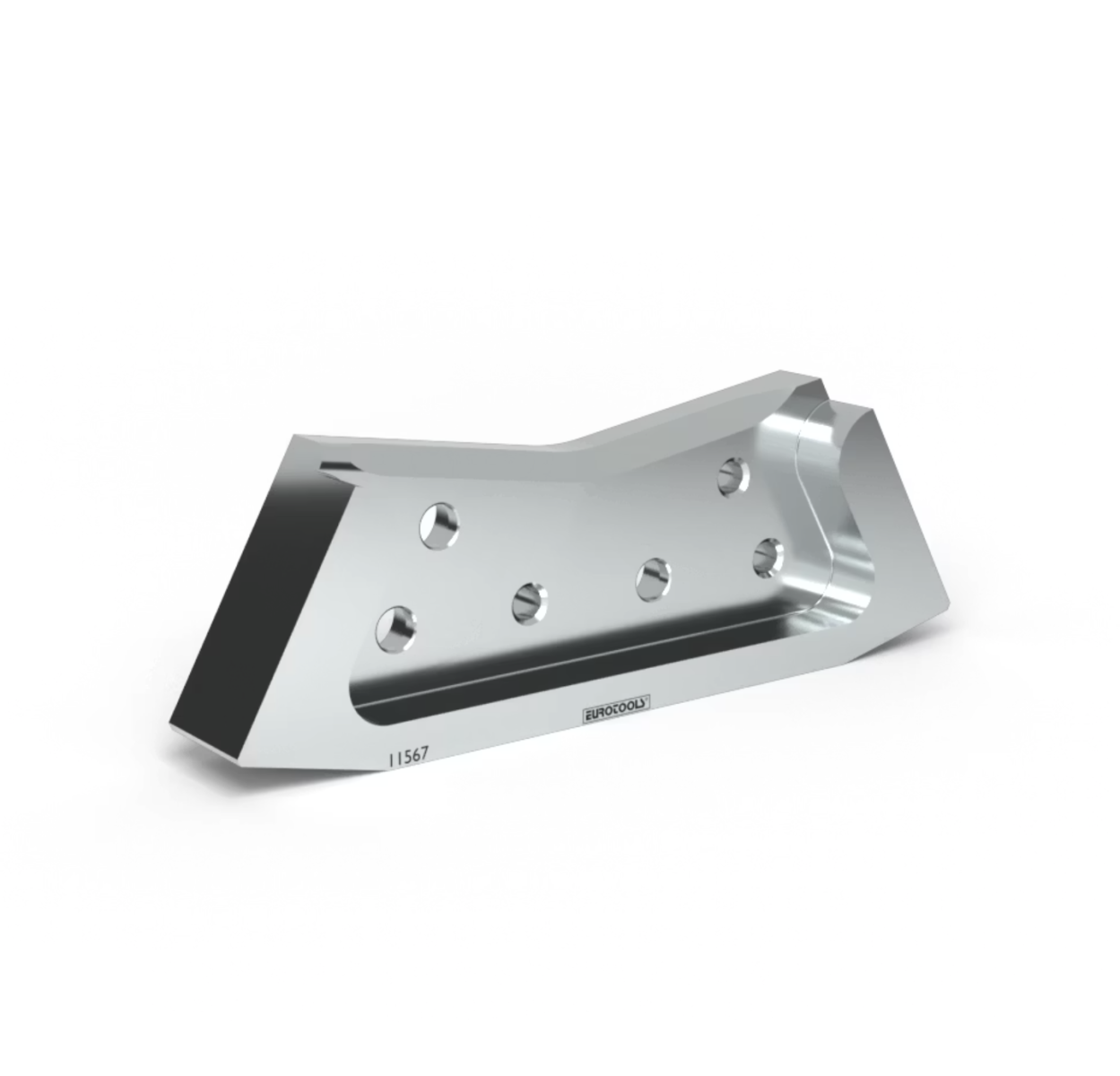
Mobile shear blades often have multiple usable edges. Rotating the blades spreads wear evenly, giving you the most life out of each blade.
Shim guide blades to maintain proper blade gap:
-
correct gap = better cutting performance
-
prevents jamming
-
reduces stress on pivot and jaw components
Regular blade rotation and shimming are essential to consistent shear operation.
End-of-Day and Project‐Level Maintenance
At the end of each shift:
-
Perform wear checks and minor adjustments
-
Inspect for leaks and signs of wear
-
Grease any parts that may have been missed
At the end of a project or longer service period:
-
Replace excessively worn blades
-
Inspect hydraulic system components
-
Evaluate structural condition of jaws and frame
Planned maintenance keeps your shear healthy and minimizes surprise breakdowns.
Operation Tips That Reduce Wear
Good maintenance also begins with proper shear use:
-
Use the shear for its intended cutting motion—not prying or dragging
-
Avoid twisting or pulling material rather than cutting it
-
Keep loads centered in the jaws
-
Match shear size and power to the excavator and task
A shear that’s respected in operation will reward you with many hours of productive service.
The Big Picture — Keep Your Shear Work Ready
Mobile shear maintenance doesn’t have to be intimidating. By building a rhythm of:
✔ Daily inspections
✔ Regular lubrication
✔ Tightening and torque checks
✔ Blade rotation and gap management
you ensure your shear delivers reliable cuts, longer service life, and lower operating costs.
source: https://www.recyclingproductnews.com/article/44230/an-essential-guide-to-mobile-shear-maintenance
👉 REQUEST QUOTATION
Looking for LaBounty shear blades, wear parts, or maintenance support?
Contact us for a customized quote and keep your equipment in peak condition.

