


Rotor regeneration for Terex V20 / Vecoplan VNZ: Extending service life with precision rebuild
Our latest regeneration project focused on a Terex V20 rotor, equivalent to Vecoplan VNZ design, where the objective was clear: restore the worn rotor to a reliable working condition while preserving functional geometry and preparing it for long-term operation.
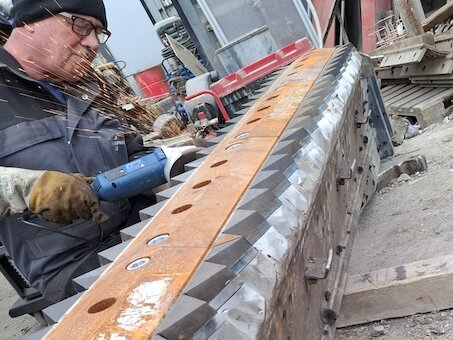
Heavy-duty shredder rotors operate under extreme mechanical stress, repeated impact, and continuous abrasive wear. Over time, even robust rotor bodies begin to lose material in critical zones such as knife pockets, supporting surfaces, weld areas, and high-load edges. When wear is left unchecked, rotor geometry degrades, knife positioning becomes inconsistent, and the machine’s cutting performance, throughput, and overall reliability begin to suffer.
Initial condition
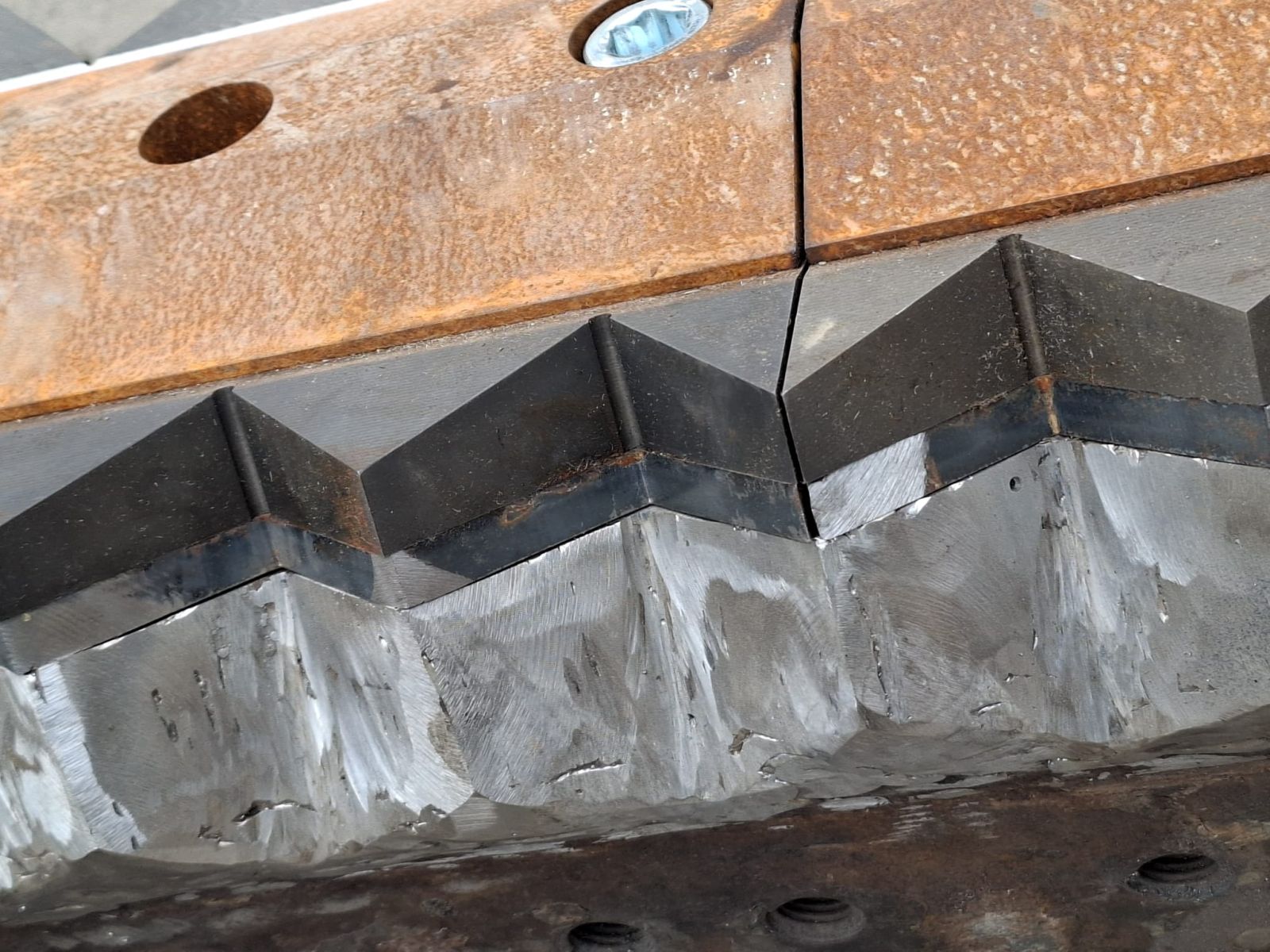
The rotor showed clear signs of prolonged heavy service. The most affected areas included:
- worn and damaged knife support zones
- material loss on stepped and high-contact surfaces
- previous weld repairs and fatigued build-up areas
- localized cavities and heavily stressed edges
- surface wear around critical load-bearing regions
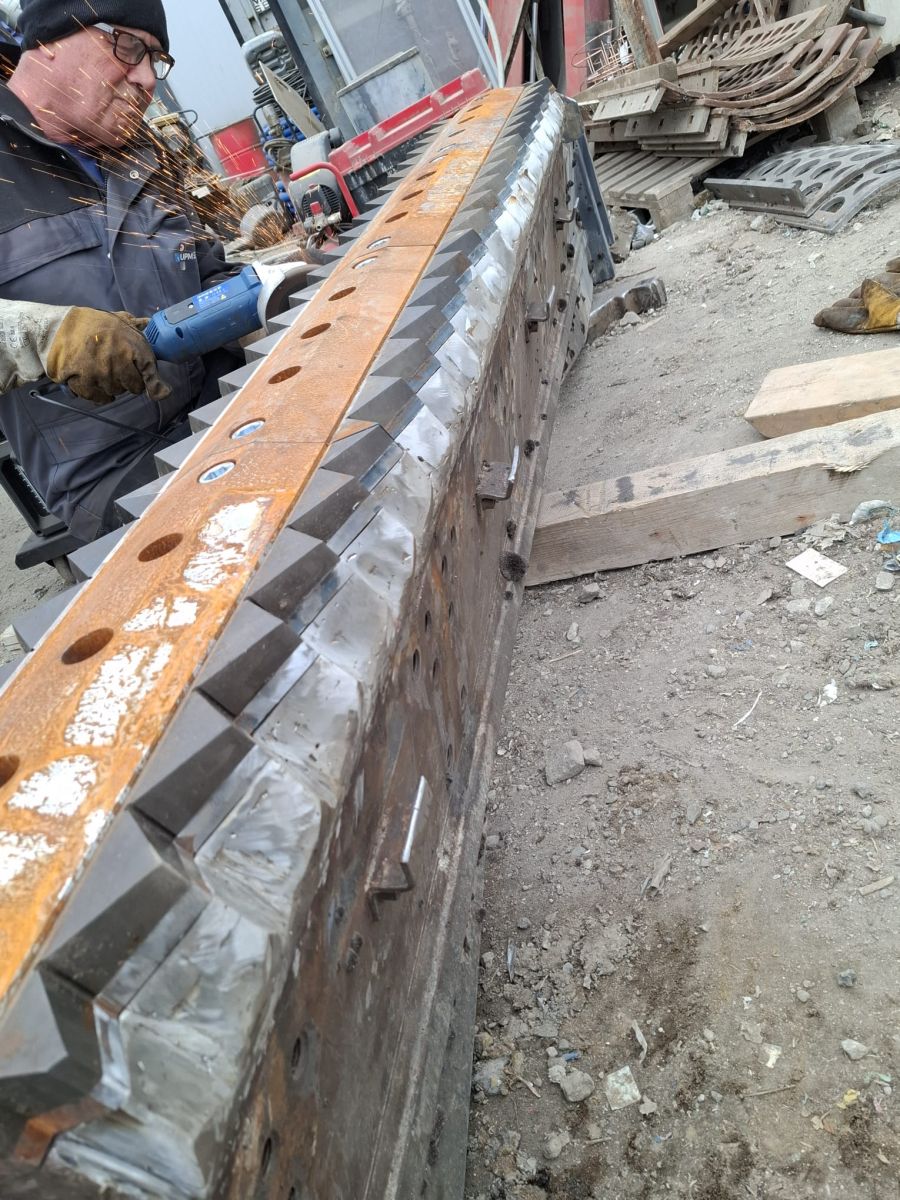
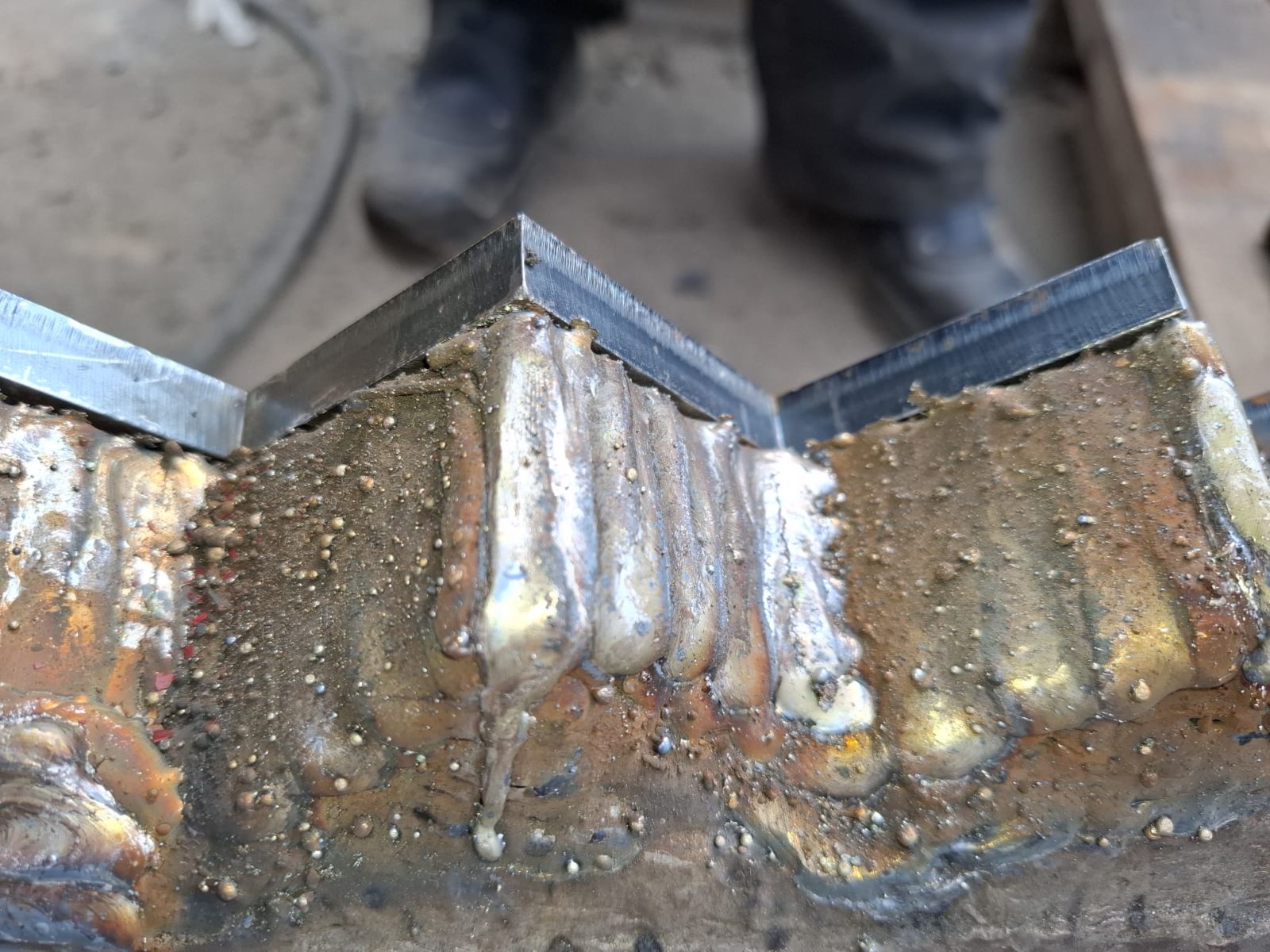
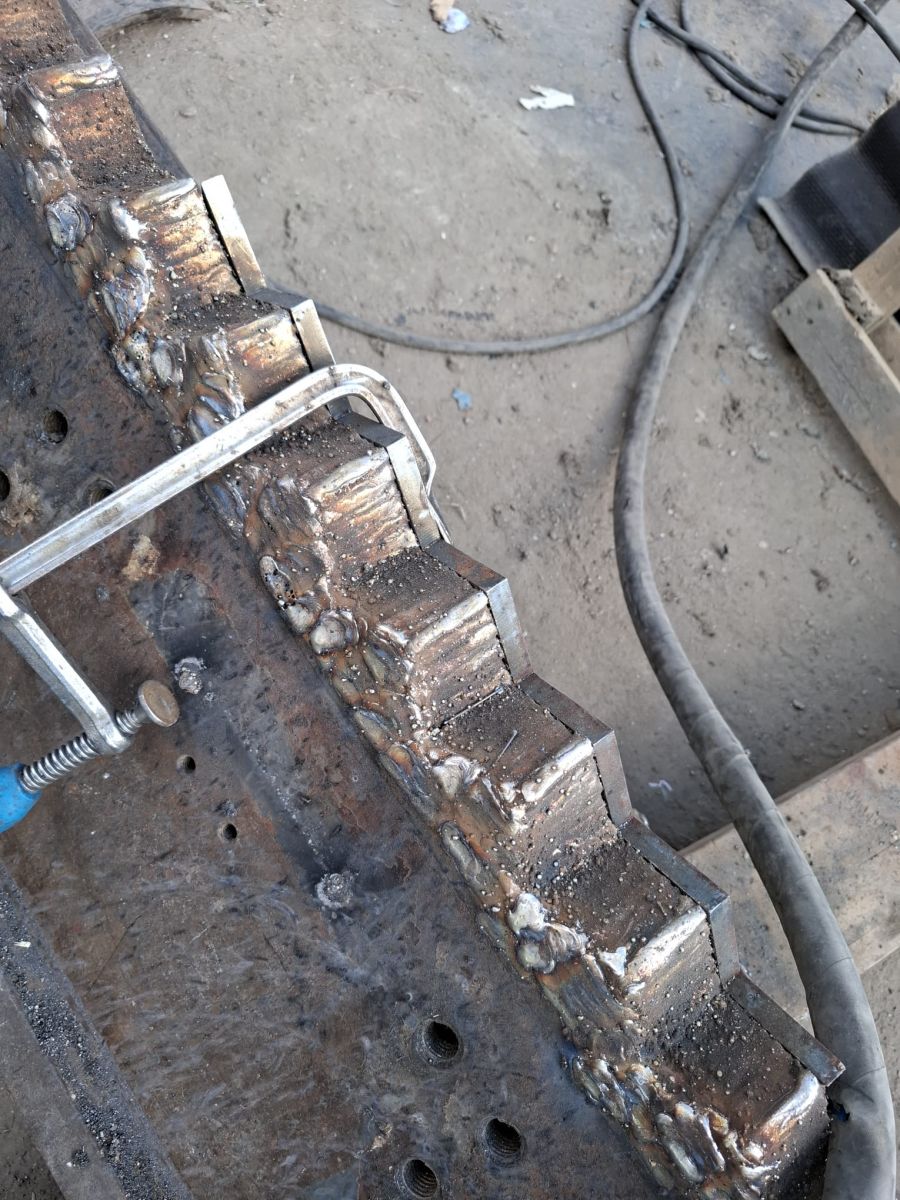
Photos from the workshop document the real working condition before and during the rebuild. The wear pattern was typical for a rotor operating in demanding shredding applications, where impact loading and abrasive feedstock gradually remove base material and deform the original working surfaces.
Scope of regeneration
The regeneration process included a full technical rebuild of selected high-wear zones on the rotor body. The work was focused on restoring functionality, structural integrity, and dimensional consistency in the areas that matter most for rotor performance. The main stages included:
1. Inspection and assessment
Each damaged area was visually checked and evaluated before repair. Worn pockets, support steps, and stressed edges were identified, including old repair zones and areas with deeper material loss.
2. Surface preparation
Before rebuilding, the damaged material and unstable surface layers had to be properly prepared. This is a critical stage for achieving sound weld bonding and long-term durability.
3. Weld build-up and reconstruction
High-wear areas were rebuilt by welding to restore the original mass and working profile of the rotor. Special attention was paid to stepped contact surfaces and knife support geometry.
4. Grinding and finishing
After build-up, the regenerated areas were ground back into functional shape. The goal was not only to add material, but to restore practical working geometry and ensure the rebuilt zones matched the rotor’s operational requirements.
5. Final fit and operational readiness
The rotor was prepared for reinstallation with rebuilt surfaces aligned to support consistent knife seating, stable operation, and extended service life.
Why rotor regeneration matters
Replacing a complete shredder rotor is expensive, time-consuming, and often unnecessary when the core structure is still recoverable. A properly executed regeneration can deliver major practical benefits:
- significantly lower cost compared to full replacement
- shorter downtime and faster return to operation
- restoration of critical geometry in wear zones
- longer service life of the rotor body
- improved support for knives and wear parts
- better machine reliability in demanding applications
For many operators, regeneration is the most economical way to keep a shredder running efficiently without compromising on performance.
Technical value of a correct rebuild
Rotor regeneration is not just about adding weld metal. The real value lies in rebuilding the right zones, with the right profile, and finishing them with the precision required for real operating loads. In shredders such as the Terex V20 / Vecoplan VNZ, rotor condition directly affects:
- cutting consistency
- knife loading behavior
- wear rate of replaceable parts
- vibration and running stability
- maintenance intervals
- throughput efficiency
A poor repair may look acceptable visually but fail quickly in operation. A correct rebuild must take into account wear pattern, support geometry, load transfer, and the final usable shape of each rebuilt area.
Typical wear zones on this rotor type
On this rotor design, the most common repair areas usually include:
- knife pocket supports
- stepped carrier surfaces
- edge transitions exposed to repeated impact
- zones around holes and local stress concentrations
- previously repaired sections requiring corrective rebuild
These are exactly the places where precision makes the difference between a temporary patch and a durable industrial repair.
Result
This regeneration project restored the rotor’s worn functional zones and prepared the unit for further operation in heavy-duty shredding service. Instead of scrapping the component, the customer now has a rebuilt rotor ready for another working cycle, with substantially improved usability of the worn areas. At Eurotools, we support industrial operators not only with wear parts, knives, holders, and compatible components, but also with practical regeneration work for heavily loaded shredder parts.
Need rotor regeneration or wear part support?
If you are operating a Terex V20, Vecoplan VNZ, or similar industrial shredder and your rotor shows wear on knife seats, support areas, or load-bearing edges, regeneration may be the right solution before replacement becomes necessary.
We can help with:
- rotor wear assessment
- regeneration of selected rotor areas
- rebuild of worn support zones
- compatible knives and wear parts
- practical service support for shredding applications
Eurotools – precision that performs in real industrial conditions.

